7Views
Dashcam and Bodycam Evidence in Georgia DUI Cases: What the Video Shows and What It Can Change
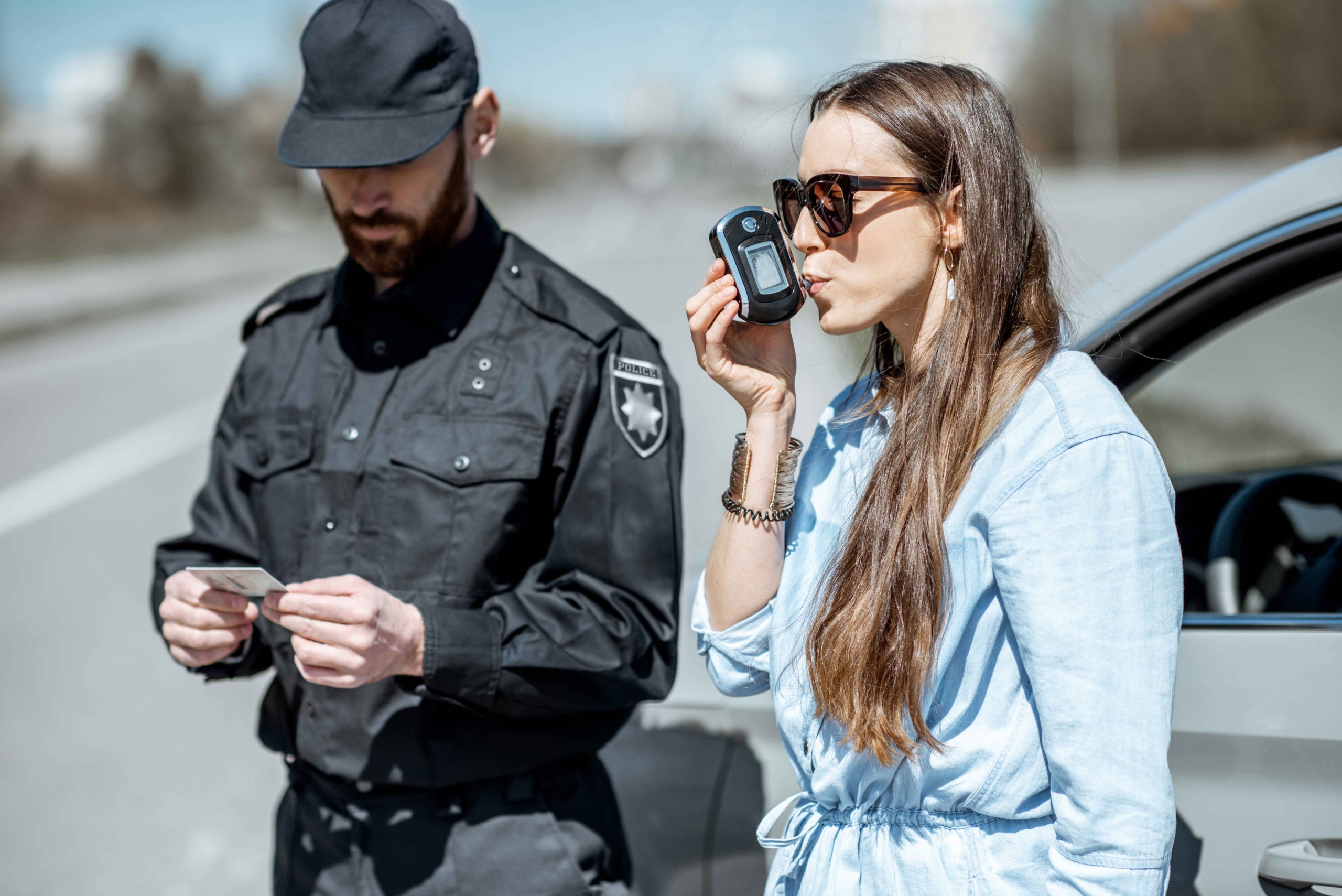
Traditionally, in Georgia DUI cases, the officer’s report was the central focus. Nowadays, the video is often a parallel story, and sometimes a different one. The dashcam and bodycam videos can show the driving pattern, the roadside investigation, and the exact words spoken during the stop. Videotaped footage can be the most crucial evidence for drivers or their lawyers, whether it helps or hurts. To understand a modern DUI case, you must know how the video is created, stored, and obtained.
The majority of law enforcement agencies in Georgia have installed dashcams and/or bodycams, but coverage is not universal. Some agencies fit all patrol cars and all officers, while others have partial coverage or older systems. A driver should never assume that video exists, and should never assume that it does not. One of the initial steps in any DUI case is to determine what recording systems were involved and whether they were activated.
Activation is a key issue. Many bodycam policies require officers to activate the camera during traffic stops and investigations, but cameras are sometimes activated late, turned off early, or not activated at all. A gap in the footage can be as significant as the footage itself. If the camera starts after the driving pattern was observed, the video may not show the reason for the stop. If it stops before field sobriety tests are complete, the video may not show how the tests were administered. When footage is missing, the reason matters: a technical failure, a policy violation, and a deliberate deletion are treated differently by courts, and the defense should press for an explanation.
The video may show something different from the report in significant ways. An Atlanta DUI Lawyer will compare the video against the officer’s written report line by line. Field sobriety tests are a common example. The report may describe a driver as swaying, stumbling, or failing to follow instructions, while the video shows a driver who appears steady and cooperative. The horizontal gaze nystagmus test, which involves following a stimulus with the eyes, is particularly hard to evaluate without video, since the officer’s description of eye movements cannot be checked any other way. Audio matters too: the video captures what the officer said about implied consent, what the driver said in response, and whether the driver asked for a lawyer or an independent test. Those words can determine whether evidence is admissible.
Video can also hurt a defense. A driver who appears visibly impaired, who admits to drinking, or who argues with the officer on camera will have a harder time challenging the stop. Admissions captured on bodycam are difficult to explain away, and prosecutors use them in negotiations and at trial. Drivers should understand that anything said during a DUI stop may be recorded, and that the recording may be played in court. The safest approach during a stop is to be polite, to avoid volunteering information about drinking, and to ask for a lawyer if questioned about the offense.
Obtaining the footage is a process with deadlines. In Georgia, video from a law enforcement agency can be requested under the Georgia Open Records Act, but agencies may withhold or redact footage during an active investigation, and requests can take weeks. In a criminal case, the defense can also obtain footage through discovery, which is the formal exchange of evidence between the prosecution and the defense. A preservation letter, sent promptly after the arrest, asks the agency to save footage that might otherwise be overwritten under a retention schedule. Retention periods vary widely: some agencies keep video for 90 days, others for a year or more, and some overwrite non-evidentiary footage in weeks. Waiting to request video is one of the most common and costly mistakes in DUI cases.
There are also limits to what video proves. A dashcam shows the road from the patrol car’s perspective, which may not capture the driver’s view of the road, the traffic conditions, or the lighting. A bodycam shows what the officer saw, but it does not show the officer’s training, judgment, or state of mind. Video quality varies with lighting, weather, and camera placement, and nighttime footage can be grainy or incomplete. It is one piece of evidence among others, including chemical test results, officer testimony, and the driver’s own account.
Privacy and public access add another layer. Bodycam footage of a DUI arrest may be subject to public records requests, which means a driver should assume that the footage could become public. Drivers who are concerned about the footage should discuss it with their lawyer, who can advise on what can be requested, what can be challenged, and what can be kept out of evidence at trial.
For drivers, the practical lessons are clear. Assume the stop is being recorded, and act accordingly. After release, write down what happened while the details are fresh, including whether you saw a camera and when it appeared to be on. Ask a lawyer promptly to request preservation of all video, including dashcam, bodycam, and any jail or transport video. Do not rely on the agency to save footage on its own, since retention schedules run automatically. An Atlanta DUI Attorney can send the preservation request and follow up through discovery to make sure the footage is actually obtained.
Video evidence has changed DUI defense in Georgia. It gives drivers a way to test the officer’s account, and it gives prosecutors a powerful tool when the footage supports the arrest. Either way, it is evidence that must be handled early and carefully. A DUI Attorney Atlanta drivers hire for a DUI case will treat the video as a priority, not an afterthought, because once it is overwritten, it cannot be recovered. A DUI Lawyer Atlanta residents consult soon after an arrest can make sure the request goes out in time and that the footage is reviewed frame by frame before any decision is made about the case.