4Views
Pulled Over Because Someone Called 911? When the Stop Itself Is Your Best Defense
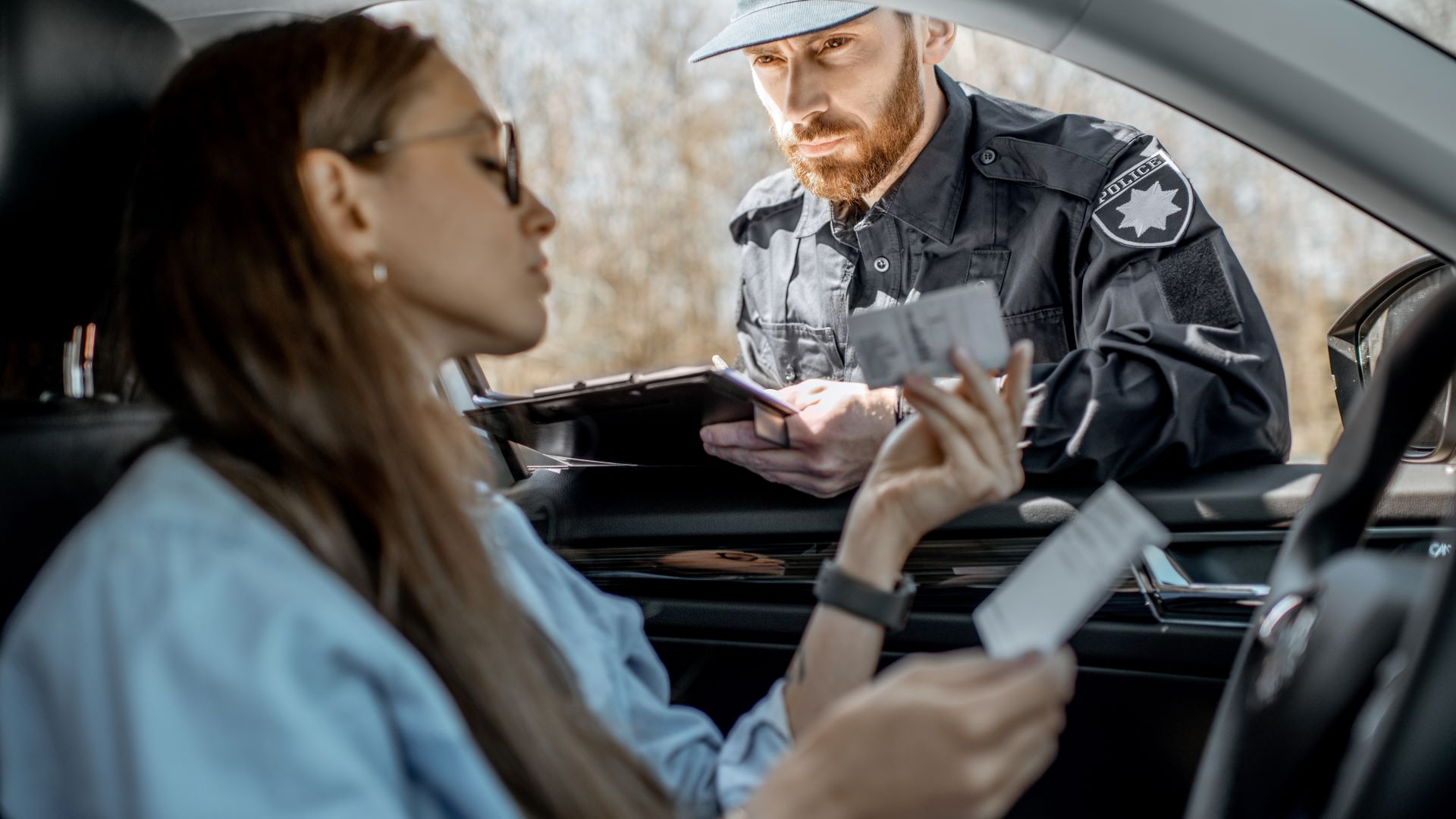
Plenty of Georgia DUI cases do not start with an officer watching you swerve. They start with a phone call — another driver dials 911, reports a “possible drunk driver,” and a patrol car is dispatched to find you. If that is how your stop happened, the stop itself may be your strongest defense.
How these stops happen.
A 911 caller gives a description — vehicle color, make, tag number, direction of travel — and sometimes a running account of the driving they observed. The dispatcher relays it, and an officer locates a matching vehicle and pulls it over, often without personally seeing any bad driving first. Everything that follows — the field sobriety tests, the breath test, the arrest — flows from that initial stop.
The legal standard for the stop.
An officer needs reasonable suspicion of criminal activity to pull you over. Courts have held that a 911 call can supply that suspicion, but not automatically: an anonymous tip has to carry enough indicia of reliability. Calls made to 911 are treated as more reliable than truly anonymous tips because the system records the caller’s number and location, which discourages false reports. Still, the details matter — a bare “there’s a drunk driver on the highway” with no description and no observed behavior is far weaker than a caller who describes specific erratic driving in real time.
What makes a tip reliable — or not.
Courts look at whether the caller reported firsthand, contemporaneous observations (not a hunch or a grudge), how specific the vehicle description was, and whether the officer corroborated anything before the stop. A caller who stayed on the line narrating the driving as it happened is the prosecution’s best version. A vague call from an unidentified person with no details — especially when the officer observed nothing wrong before activating the lights — is the defense’s. In Georgia, as elsewhere, the totality of these circumstances decides whether the stop was lawful.
Why it matters so much.
If the stop was unlawful, everything discovered because of it can be suppressed — the officer’s observations, the field sobriety tests, the breath or blood result. A DUI case with no admissible evidence of impairment usually collapses. That is why an Atlanta DUI Lawyer in a 911-call case starts with the dispatch records and the 911 audio, not with the breath test: kill the stop and the rest falls away.
What to do.
If your DUI began with someone else’s phone call, find out exactly what the caller said. The 911 recording, the dispatch log, and the officer’s report will show whether the tip was detailed and reliable or vague and thin — and whether the officer verified anything independently. An Atlanta DUI Attorney can obtain those records and test the stop at a suppression hearing. Many drivers in this position begin by consulting a DUI Attorney Atlanta defense lawyers know for challenging questionable stops — or a DUI Lawyer Atlanta courts have seen win these exact motions.
Not every DUI starts with bad driving. When yours started with a phone call, make the state prove the call was enough.