8Views
The Walk-and-Turn and the One-Leg Stand: Why Field Sobriety Tests Fail Sober People
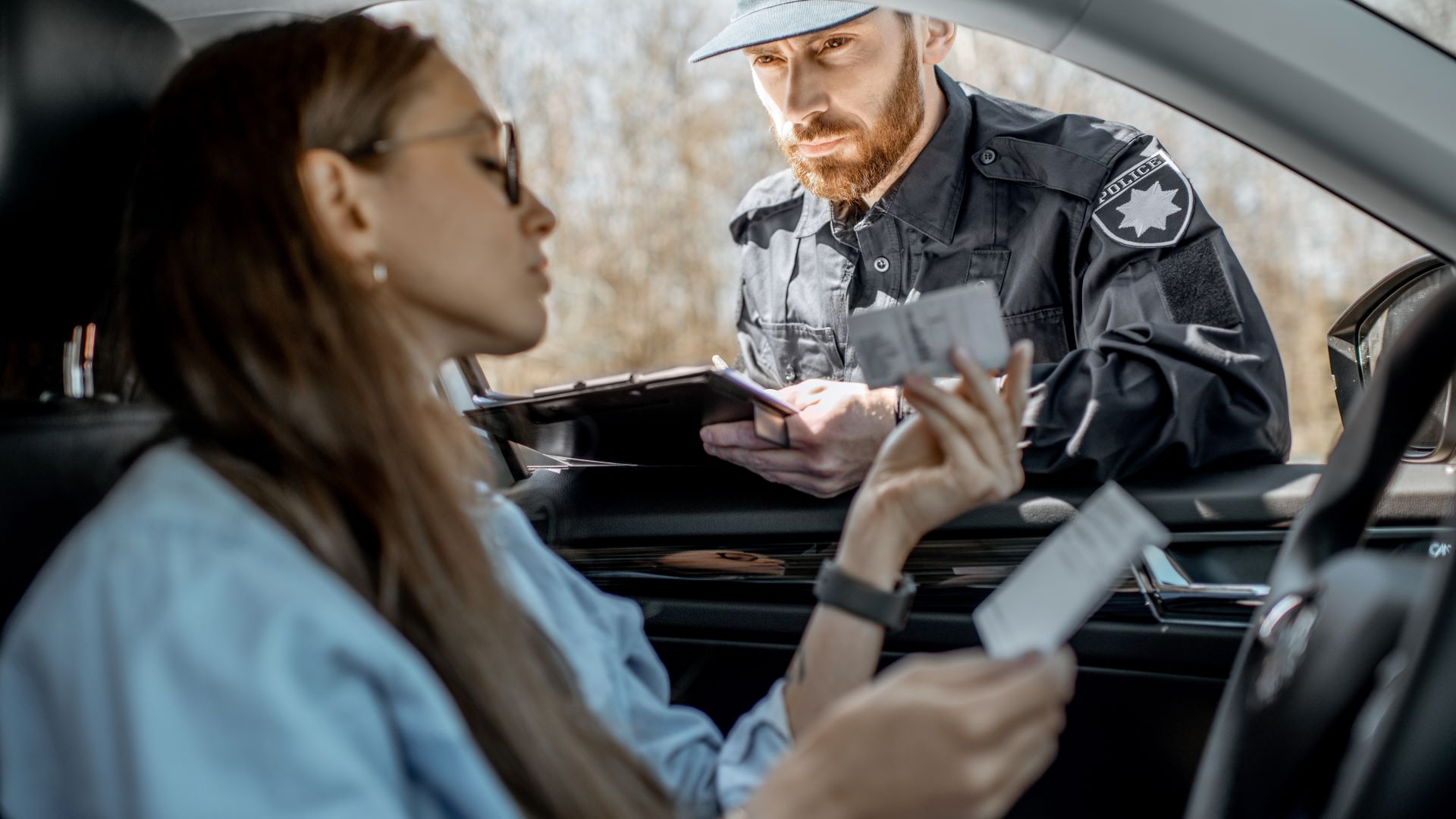
Picture the scene: flashing lights in your mirror, an officer at your window, and then the request that changes the whole night — “Step out of the car, please.” What follows feels like a gym class designed by someone who wants you to fail: walk nine steps heel-to-toe, turn around, walk back; stand on one leg and count; follow a pen with your eyes. These are field sobriety tests, and here is the thing nobody tells you at the roadside: sober people fail them all the time.
The three “standardized” tests — horizontal gaze nystagmus (the eye test), the walk-and-turn, and the one-leg stand — were developed in the 1970s and validated under laboratory conditions: flat surfaces, proper lighting, calm subjects. The roadside is none of those things. You are on a sloped gravel shoulder of a dark highway, in dress shoes, with traffic whipping past and adrenaline flooding your system. The gap between the lab and the shoulder is where sober drivers lose.
The error rates are not a secret — they’re in the research itself. Even under ideal conditions, the standardized tests are not pass/fail exams. They are scored on “clues,” and the published accuracy figures hover around 65 to 77 percent for individual tests at the 0.08 threshold. That means under the best possible conditions, the tests are wrong roughly one time in four. At the roadside, with bad surfaces, bad shoes, bad weather, and a nervous subject, the real-world accuracy is worse. Yet in the courtroom, the officer’s testimony about your “failed” tests lands on the jury like scientific proof. It isn’t.
Look at how the grading actually works. The walk-and-turn has eight possible clues: can’t keep balance during instructions, starts too soon, stops while walking, misses heel-to-toe, steps off the line, uses arms for balance, makes an improper turn, takes the wrong number of steps. Two clues and the officer calls it a “failure.” Now imagine doing this in heels on uneven pavement while an officer barks instructions you have to memorize. Using your arms for balance — something every human does instinctively — counts against you. A DUI Attorney Atlanta juries listen to can make the scoring sheet look like what it is: a checklist designed to find failure, not measure sobriety.
The one-leg stand is worse for ordinary bodies. Six clues, two to fail. Swaying counts. Hopping counts. Putting your foot down counts. A large share of adults can’t stand on one leg for thirty seconds on a good day — bad knees, bad ankles, bad backs, age, weight, footwear. The test doesn’t adjust for any of it. You told him about your knee; he wrote it down; he failed you anyway. A medical condition can make the whole exercise unfair from the start.
The eye test is the most “scientific” looking and the most abused. Horizontal gaze nystagmus — the involuntary jerking of the eye at extreme angles — is genuinely associated with alcohol, but also with fatigue, certain medications, and inner-ear conditions. And unlike the other two tests, you can’t see what the officer sees: the entire result is his word about your eye movements during a thirty-second pen exercise in the dark. Most officers can’t fully recount the protocol on cross-examination, because the roadside version rarely matches it.
Here’s the part that matters most at 1 a.m. on the shoulder: these tests are voluntary. Georgia law does not require you to perform roadside field sobriety tests. “I’d like you to do some tests for me” sounds like an order — it is phrased that way on purpose. But the only test the implied-consent law covers is the state-administered chemical test after arrest. The roadside tests you can decline, politely. There is no license suspension for refusing roadside gymnastics; that suspension only attaches to the chemical test after arrest.
This does not mean you should be defiant. The calmest, most effective roadside behavior is boring: hands visible, documents ready, polite short answers, and a clear “I don’t wish to do the field tests” if asked. No lectures about your rights, no arguments about the science, no performing for the dashcam. An Atlanta DUI Lawyer will tell you the best roadside performance is the one that gives the officer the least to write about.
If you already “failed” the tests, all is not lost — these are among the easiest parts of a DUI case to attack. The defense playbook is long: improper instructions, improper scoring, unsuitable conditions, undisclosed medical issues, non-standardized “extra” tests the officer invented on the spot. A DUI Lawyer Atlanta drivers hire for these cases will pull the footage before the State’s story hardens — bodycam and dashcam footage often contradicts the written report in ways juries find very persuasive. The officer wrote “severe swaying”; the video shows a man standing still. Cases turn on exactly that.
The bottom line: field sobriety tests were designed to give officers probable cause to arrest, not to determine whether you are impaired. They fail sober people regularly — the research says so, the conditions guarantee it, and the scoring is rigged toward finding clues. Know they are voluntary, know how they are graded, and if your case hinges on them, make sure an Atlanta DUI Attorney who knows how to take them apart handles your case. In Georgia DUI court, the walk-and-turn is not a test of sobriety. It is a test the officer already expects you to fail.