396Views
Impact of Georgia Traffic Safety Laws on Community Events
Local governments such as city and county governments play an integral part in improving road safety, which GHSA supports by helping identify and select road safety projects.
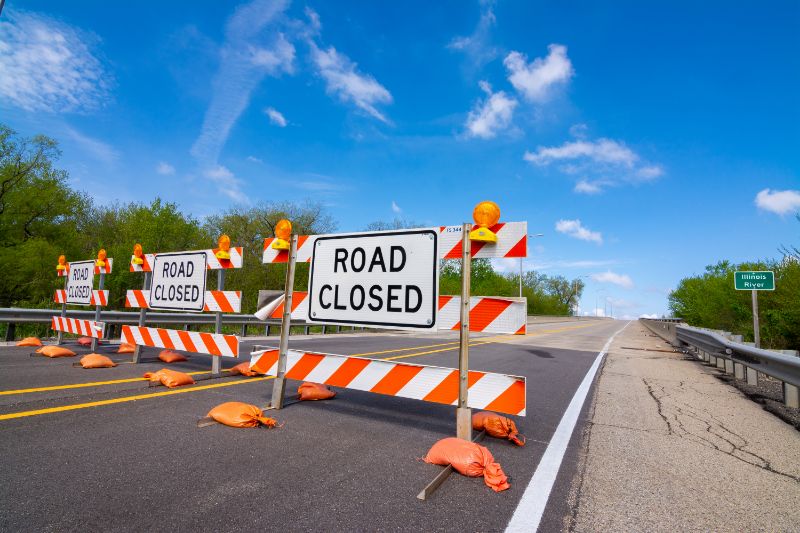
Georgia plays host to an abundance of special events each year, from community festivals to national sporting tournaments. Event organizers need the proper permits in order to effectively manage logistical considerations like road closures and crowd management during planning processes.
1. Pedestrians
Georgia pedestrian right-of-way laws play an integral role in providing safe travel for individuals on foot. Drivers must yield to pedestrians at crosswalks, reducing risks significantly. Local organizations play an instrumental role in raising community awareness about these laws and encouraging both pedestrians and drivers to act responsibly.
Pedestrians should exercise extreme caution when crossing streets, abiding by all traffic signals. Crosswalks are available as crossing at other places is illegal – this practice, known as jaywalking, increases risk and complicates legal claims.
Drivers should remain alert in areas with high pedestrian traffic, such as schools and parks. Drivers should reduce their speed and actively scan roadways for pedestrians in order to prevent unfortunate accidents. If a pedestrian is struck by a vehicle, criminal charges may be levied against their driver; however, these do not adequately cover financial and medical needs of victims, so civil actions can help victims recover compensation from those responsible.
2. Vehicles
Vehicles are essential pieces of safety equipment, which should be regularly serviced and properly maintained. But drivers should also practice defensive driving techniques and remain alert for poor driving behaviors among other motorists – including speeding. Any reckless or irresponsible behaviors like speeding can increase the chances of collision.
Georgia traffic safety laws also contribute to reducing crashes by creating strict operational guidelines for commercial vehicles on Atlanta roads. These standards ensure trucks undergo regular inspections and maintenance checks that reduce mechanical failures that cause accidents. As a result, this creates a safer road environment for all motorists in Atlanta.
Compliance with regulations helps truck drivers avoid fines and legal repercussions, such as increased insurance premiums if they violate weight limits or safety protocols and are involved in an accident; companies employing truckers face serious legal ramifications for failing to adhere to safety guidelines as well.
3. Vehicles with trailers
Georgia trucking regulations not only increase road safety for Atlanta drivers, but they also alleviate economic burdens on local communities. When commercial vehicles adhere to stringent safety standards, insurance premiums decrease while business owners can minimize repairs and medical costs, creating an economic climate conducive to supporting local business growth.
Key regulations such as weight limits and operational protocols ensure trucks operate safely on Atlanta roadways. By prioritizing seat belt safety alongside stringent operating protocols, these laws help truck drivers prevent accidents that lead to serious injuries.
Accident-related violations of compliance can have significant legal repercussions for both truck drivers and their companies. Furthermore, violations often lead to higher insurance premiums that cost motorists thousands over time. At The Ticket Clinic we specialize in traffic ticket defense; let us help keep any moving violations off your record and lower insurance premiums! Please reach out now so we can show how we can assist!
4. Vehicles with trailers with trailers
No matter if driving in Atlanta traffic or traversing rural roads near Gainesville and Cumming, drivers face numerous situations while behind the wheel that could result in serious injury or even death if they do not abide by appropriate traffic safety rules.
Trucks with trailers pose special hazards for motorists due to their size and weight, which is why Georgia traffic safety laws set specific operational guidelines and require regular inspections of such trucks in order to reduce mechanical failures that could cause accidents.
Contravening truck driver standards can have severe legal repercussions for them and their companies. Fines can quickly add up, placing drivers at risk of financial hardship or professional reputation damage; accidents caused by noncompliance could also increase insurance premiums significantly for both companies and individuals involved in trucking operations.
Georgia law restricts children under eight years old from riding open-bed pickup trucks because of the increased risk of fatal injuries, and requires them to use a child passenger restraint system designed specifically for their age and weight.
5. Vehicles with trailers with trailers
Strict Georgia truck safety laws play an essential role in lowering accident rates on Atlanta highways and ultimately improving road safety for all drivers. These regulations ensure that trucks operate within specified limits while upholding cargo securing methods, drastically decreasing risks associated with accidents causing injuries and yielding economic advantages through improved goods movement efficiency.
Truck drivers in Georgia must regularly inspect their vehicles and comply with state cargo regulations to help create a safer driving environment for all motorists in Georgia. Adherence to hours-of-service regulations also helps avoid fatigue-related truck accidents in Atlanta.
Other Georgia truck safety laws mandate drivers to secure trailers with safety chains and use seat belts when transporting children, following the death of a Fayette County woman when her trailer became unchained. Furthermore, new legislation mandates pickup truck passengers wear seat belts at all times when riding in them; failure to do so may incur considerable fines and legal repercussions.